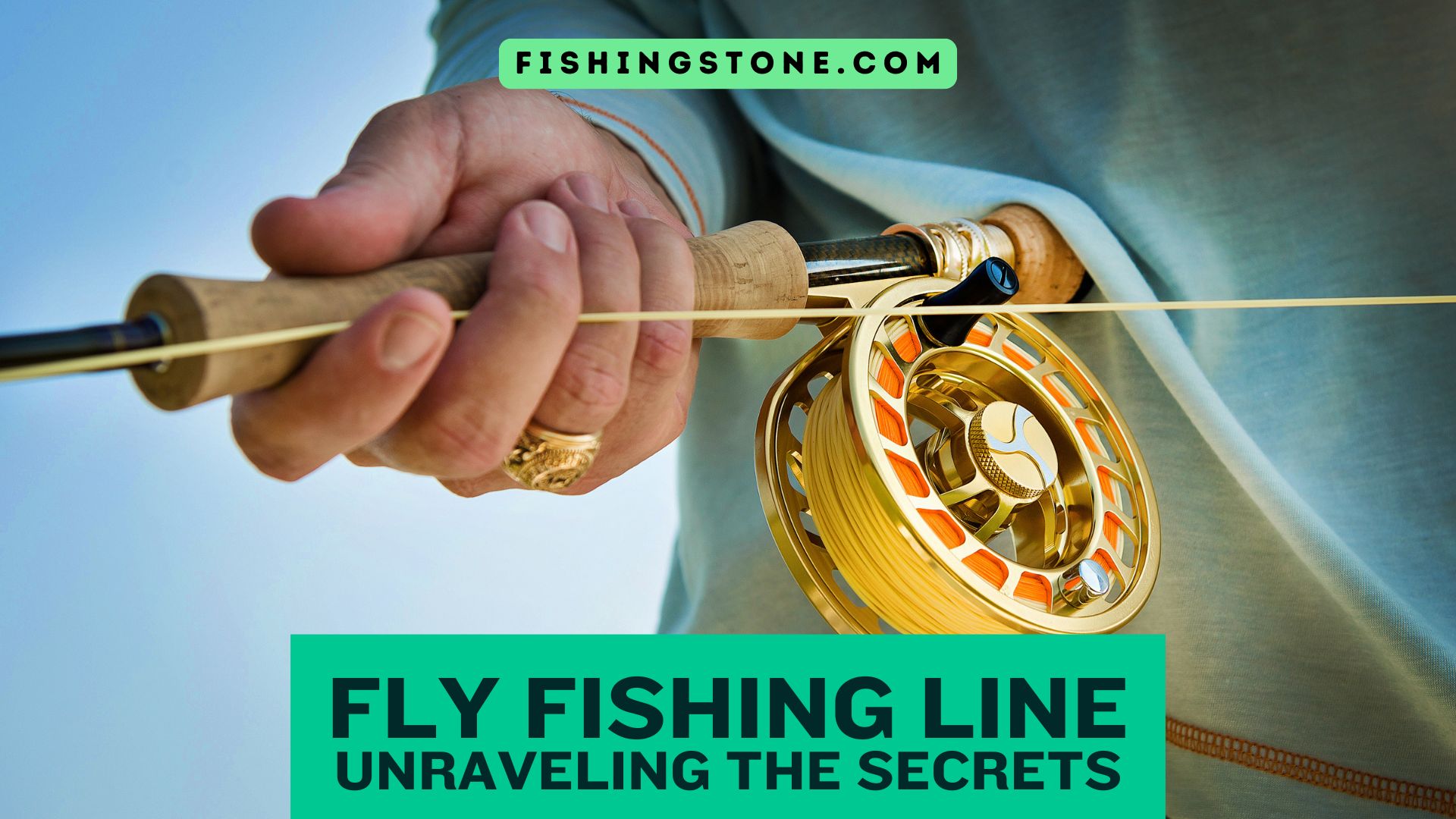
Fly Fishing Line It’s not just a string; it’s the engine that propels your fly, the connection to your quarry, and where the magic happens.
Fly Fishing Line Unraveling the Secrets

Fly Line Backing Braided Fly Backing Line with Orange White Fluorescent Yellow 20lb 30lb 100yd 300yd…
In the mesmerizing world of fly fishing, it’s easy for our eyes to be drawn to the elegant curve of a bamboo rod, the intricate patterns of a hand-tied fly, or the silent grace of a reel. But often overlooked, yet absolutely fundamental to the entire angling experience, is your fly fishing line.
It’s not just a string; it’s the engine that propels your fly, the connection to your quarry, and the delicate medium through which the magic happens.
Ignoring the nuances of fly line is like trying to drive a high-performance car with bicycle tires. Understanding this crucial component can dramatically improve your casting, presentation, and ultimately, your success on the water.
DISCLOSURE: Some of the links on this page are affiliate links, meaning, that at no additional cost to you, I may earn a commission if you click through and make a purchase. Affiliate commissions help fund this website, our rare fishing trips and my extreme coffee addiction.
The Big Two: Floating vs. Sinking

Fly Fishing Line Floating Weight Forward Fly Line with Double Welded Loop…
The first major distinction in fly line is its behavior in water:
- Floating (F) Line ➜ LINK ➜ Floating fly lines are the most common choice for anglers. They work best on the water’s surface. This makes them great for dry flies, emergers, and nymphs. They also help with mending. Mending keeps your line drifting naturally.
- Sinking (S) Line ➜ LINK ➜ Sinking fly lines help you cast your lure deep quickly. They are good for catching big fish. They are also useful for fishing with heavy bait. You can use them in fast water. These lines have different sinking speeds. This lets you choose the right line for the depth. It also helps with the current speed.
- Sink-Tip (ST) Line ➜ LINK ➜ Sink-tip fishing lines combine a floating main line with a short, heavy sinking tip. This design allows you to fish your fly at a moderate depth. It also makes it simple to manage the floating line. You get the benefits of both floating and sinking lines.
The Weight and Taper Game

Sword Fly Fishing Line with Welded Loop Weight Forward Floating Fly Line Length 90 and 100 Ft…
- Line Weight: Fly lines have weights from light to heavy. Your fly line weight must match your rod’s weight. A 5-weight rod needs a 5-weight line. The wrong fly fishing line makes casting awkward and slow.
- Taper: This refers to how the line’s diameter changes along its length. The taper dictates how the line casts, turns over the leader, and presents the fly.
- Weight Forward (WF): Weight forward fly lines are the most popular. They have a thick front end. This part is called the head. It helps cast farther. It cuts through wind well. It also turns over big flies easily. The line then gets thinner. This thinner part is the running line.
- Double Taper (DT): DT fly lines have thick centers that taper to thin ends. This design allows them to be flipped over when one end wears out. They are excellent for light presentations, roll casting, and short to medium casts. Dry fly anglers often prefer them for their finesse.
More Than Just a Connection
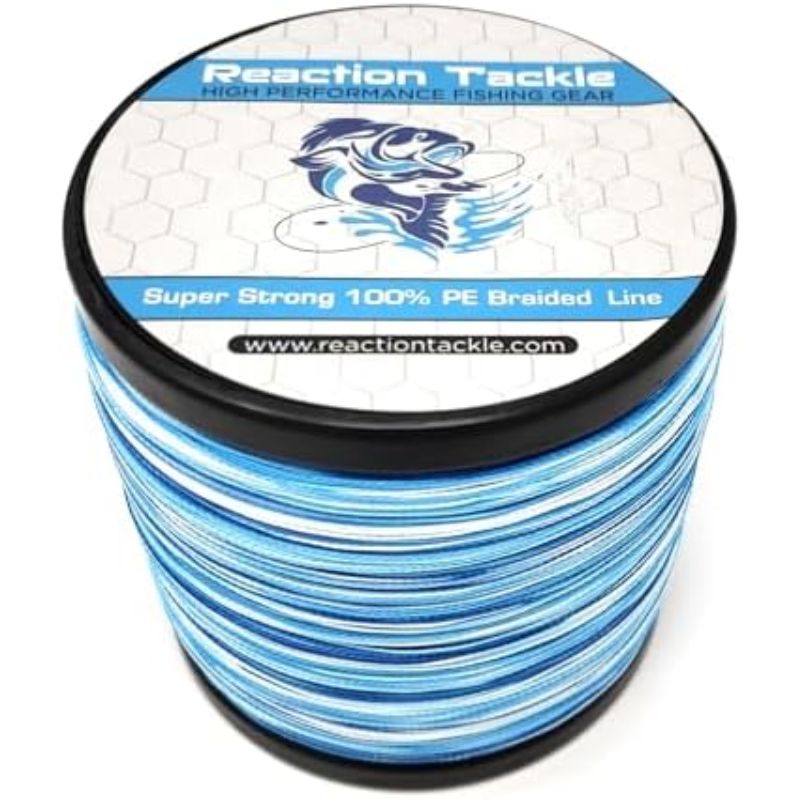
Reaction Tackle Braided Fishing Line – Pro Grade Power Colored Fishing Line Braid for Extra Visibility…
Unlike conventional fishing lines that are thin and rely on sinkers or fly fishing lures for weight, fly line is specifically designed to have enough mass to be cast. It’s what carries the virtually weightless fly through the air, unfurling your leader and delivering your offering with precision. Think of it as the energy conduit from your rod to your target.
The Invisible Link: Leader and Tippet
While technically not part of the fly line itself, the leader and tippet are essential extensions. The leader is a tapered, clear monofilament or fluorocarbon section that connects your fly line to your tippet.
It gradually transitions from the thick fly line to the thin, nearly invisible tippet, which your fly is tied to. This taper helps transfer casting energy smoothly and provides stealth to avoid spooking fish.
Caring for Your Fly Fishing LIne
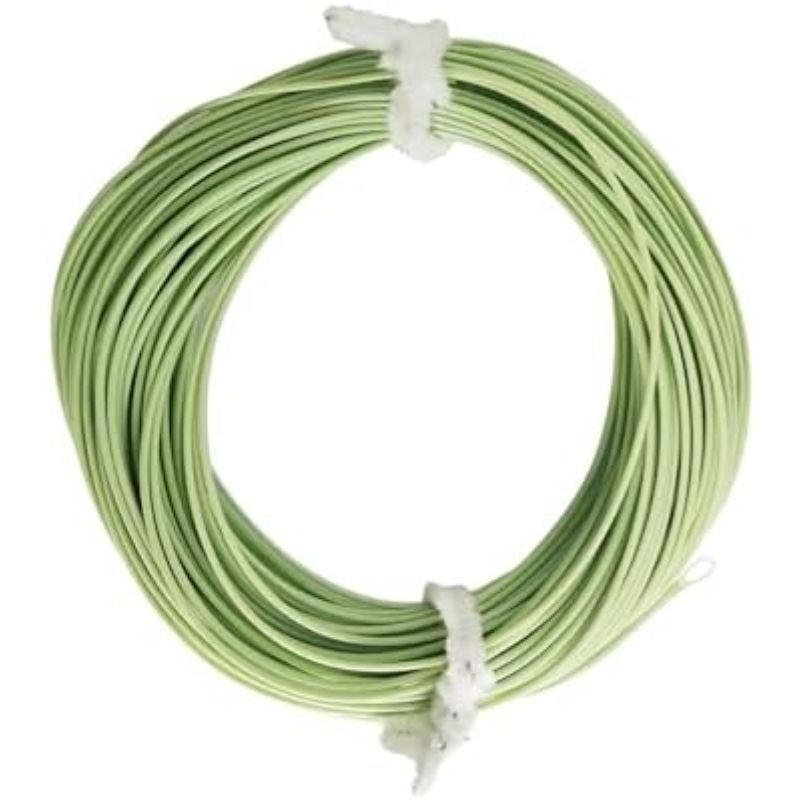
Riverruns Fly Fishing Floating Line with Welded Loop Weight Forward Fly Lines 85FT WF3 4 5 6 7 8F…
Like any precision tool, your fly line benefits from a little care:
- Cleanliness: Dirt and grime can make your line sink, cast poorly, and shorten its lifespan. Regularly clean your line with a mild soap and water solution or a specialized fly line cleaner.
- Inspection: Periodically check your line for nicks, cracks, or abrasions, especially near the loop-to-loop connections. Damaged lines can break unexpectedly.
- Storage: Avoid leaving your line exposed to direct sunlight or extreme heat for prolonged periods. When not in use, store it loosely spooled to prevent memory coils.
- Replacement: Even with good care, fly lines don’t last forever. Over time, coatings can crack, and the line loses its slickness. If your line feels sticky, casts poorly, or shows significant wear, it’s time for a replacement.
Other Fly Fishing Posts
Discover more about fly fishing. We’ve got tips for beginners. Learn about different fly tying techniques. Explore the best rivers for trout. Find out about essential gear. We cover everything you need. Improve your angling skills. Catch more fish. It’s all here for you.
- Create Your Own Fishing Lures Guide
- Wear a Fishing Shirt That Declares Your Love for the Sport
- Essential Knot Tying Tools for Better Fishing
- Discover America’s Best Fishing Spots
- Find the Perfect Trout Lures for Any Water
- Read These 10 Great Fishing Books
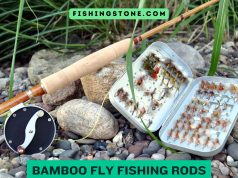
We Hope You Like our Bamboo Fly Fishing Rods Questions Answered Post
Next time you’re preparing for a fly fishing adventure, take a moment to appreciate the unsung hero that is your fly fishing line.
Understanding its types, weights, and tapers, and giving it the care it deserves, will not only enhance your casting prowess but deepen your connection to this beautiful sport.
It’s the heartbeat of your setup, ready to translate your intentions into the delicate dance of fly and water. So, choose wisely, cast confidently, and let your line lead you to your next memorable catch.
Happy fishing!
Fishing Stone post on several sites on Socia Media. By joining us on your favorite ones you can get updates on our latest Fishing Posts.
Find us on Facebook – Twitter – Pinterest – YouTube
Hope you have fun Fishing every day. Fish On!